Flat-Lit Multi-Panel Asset Locking, Modular Shot Templates, and Programmatic Video Production
AI filmmakers are eliminating visual inconsistencies and high credit burn by generating multi-angle spelled-out product sheets, using shadowless flat-lit character turnarounds, deploying modular camera motion templates across model-specific asset queues, and shifting procedural sequences into programmatic code simulations.
 Adrian Viral AI Marketing
  AI Samson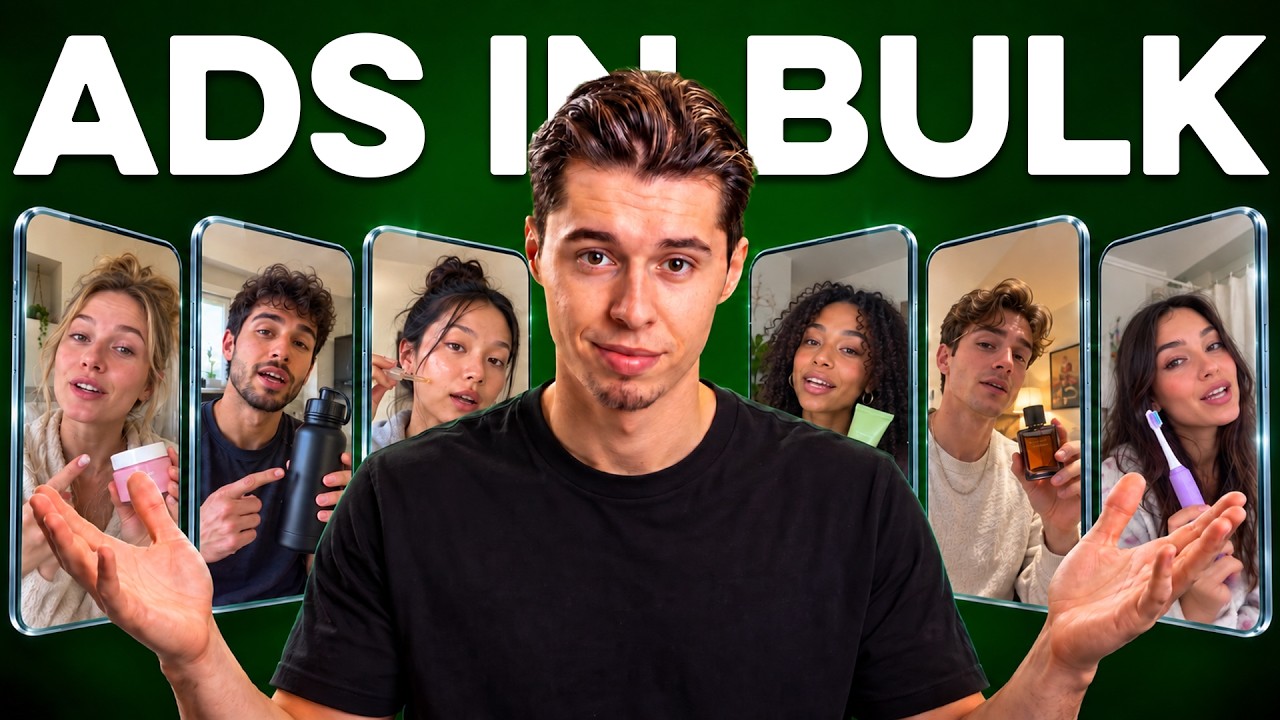
Top learnings
Generate multi-panel product sheets with letter-by-letter spelled text and flat-lit character sheets to prevent label glitches and mismatched environmental lighting.
Standardize video camera movements into reusable shot structures and test them in 480p draft mode before swapping input asset plates for high-resolution renders.
Route recurring procedural sequences into programmatic code simulations to allow instant camera and color revisions without full diffusion video re-renders.
How do multi-panel product sheets and flat-lit creator assets anchor single-pass commercial video?
When directing commercial video ads, generating products and human talent directly inside moving video prompts often leads to distorted packaging text and morphing character features across cuts.
Creator Youri van Hofwegen demonstrates that high visual fidelity requires establishing dedicated pre-production reference sheets in image generators before starting video synthesis. To lock product branding, van Hofwegen generates a ten-panel reference sheet showing the packaging from all angles using GPT Image 2.5 Sunburst mode. By spelling out the brand name letter by letter in the prompt and explicitly forbidding unprompted labels, the engine outputs razor-sharp, readable packaging across every perspective.
For human talent, van Hofwegen generates a three-panel sheet featuring a headless full-body view, a back view, and a tight facial close-up with visible skin imperfections. Crucially, the sheet is rendered with completely flat lighting and zero shadows against a plain gray background. Baked-in studio lighting in character references bleeds into video scenes and disrupts target environmental lighting, whereas flat-lit plates allow the video engine to relight the subject naturally.
 Youri van Hofwegen
 Read source excerpts 2
animate it later on. And I'm also spelling the brand name out letter by letter in the prompt instead of just typing it once. That way we ensure the text comes out accurate
Youri van Hofwegen
thing that gives it away. The last part is the lighting, which asks for completely flat light with no shadows anywhere on one plain gray background. Any lighting that's
Youri van Hofwegen
Why does specialized asset-to-model routing paired with reusable camera structures streamline multi-character shoots?
Attempting to generate an entire commercial using a single generalist model typically compromises visual quality, as individual AI engines excel at distinct material properties and focal depths.
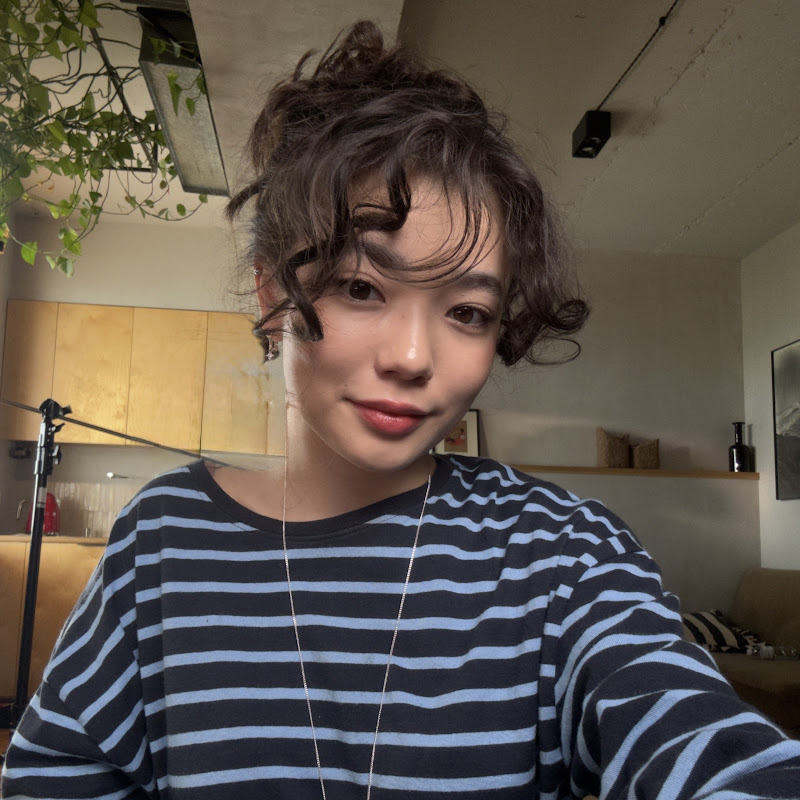
Creator Karima shows that professional spec commercials benefit from routing specific asset categories to specialized tools inside Higgsfield Cinema Studio. In her production workflow, Cream 5.0 Pro is deployed specifically for human portraits and micro-textured plastic surfaces, while Soul Cinema is assigned to render wide architectural environments and outdoor backdrops.
To scale production efficiently across multiple characters, Karima establishes three standardized camera motion structures: an extreme close-up with a slow dolly zoom out, a static full-body wide shot, and a micro close-up on the hero prop. Instead of writing unique prompt mechanics for each persona, the director keeps the camera speed and motion logic identical while simply swapping input image plates. By verifying prompt movement in 480p draft mode before committing to 1080p renders, creators eliminate failed video takes and protect credit budgets.

 kaye.creatives
 Read source excerpts 2
so, they're lying to you. Models are just like paint brushes, and [music] you pick the right tool for the job. For our character sheets, I'm selecting Cream 5.0 Pro because it
kaye.creatives
[music] We don't write 12 unique video prompts. We just use three core scene structures across all four characters. Scene one is an extreme close-up portrait with a slow dolly
kaye.creatives
How do programmatic simulations and cloud-agent automation alter iterative video production?
Iterating on complex documentary sequences or multi-stage architectural builds through diffusion video models requires repeated, credit-intensive re-renders whenever a director requests minor camera timing or staging adjustments.
Creator Adrian demonstrates that connecting reasoning models like Claude Opus 5.5 to programmatic animation workflows bypasses video diffusion overhead. By instructing the model to simulate an architectural or historical environment in code, the entire scene—including camera fly-throughs, timelines, and UI overlays—remains completely malleable. If a director requests faster pans, updated color schemes, or new narration via connected voice APIs, the model alters the underlying parameters and re-records the viewport in minutes without re-rendering pixels from scratch.
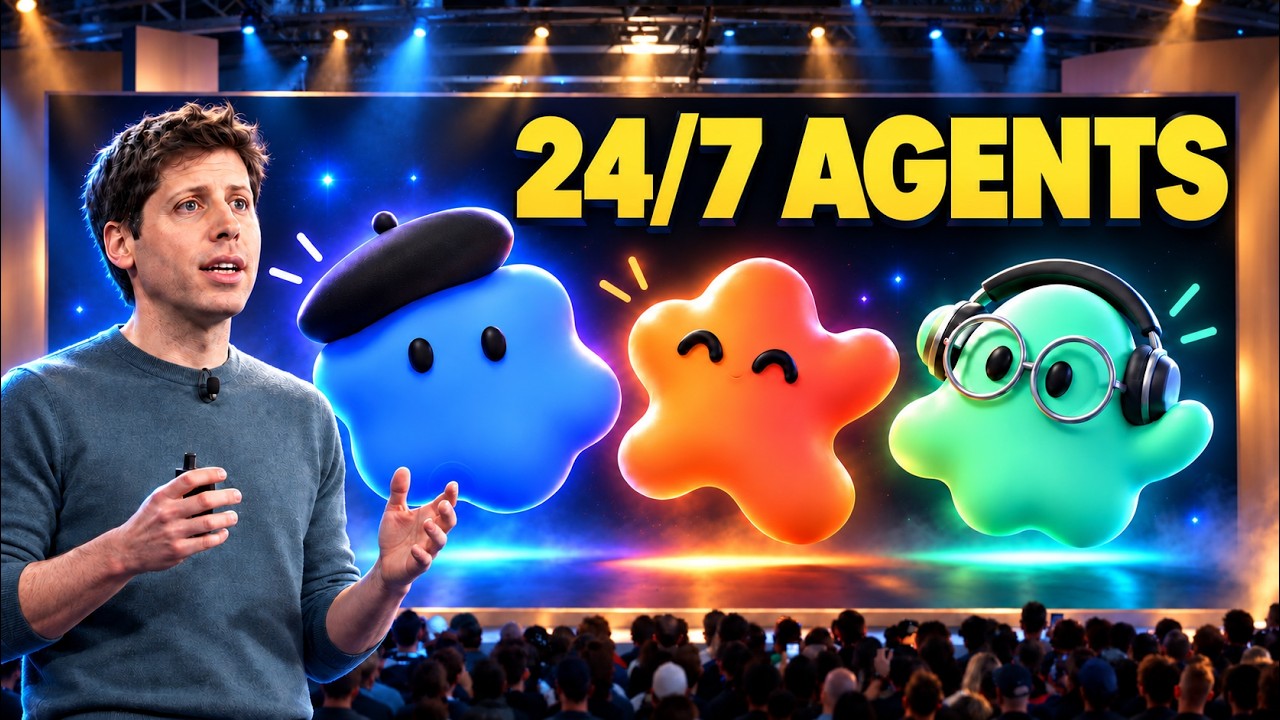
Complementing local programmatic workflows, AI Samson highlights OpenAI's launch of always-on cloud agents called Dots. Running in isolated cloud environments rather than tying up local workstations, these autonomous agents can handle background pre-production tasks—such as parsing interview transcripts, identifying clip cut points, and updating project documentation—around the clock.

Read source excerpts 2
simulation. Meaning, if you want to do just one little change, you could just tell it and it doesn't have to rerender the whole world. It will just implement that change and
Adrian Viral AI Marketing
own personalized AI agent that has its own computer in the cloud to run tasks independently at every hour of the day. Now, this does not require for your machine to be open
AI Samson
Where do autonomous background agents and single-pass commercial renders break down?
While asset-first prompting and autonomous agents compress production timelines, creators face distinct physical interaction errors and operational security risks.
In video diffusion pipelines, Youri van Hofwegen observes that even when character and product consistency hold across a 30-second multi-cut generation, fine physical interactions can still fail. In his test ad, the character rotated an energy drink can in the wrong opening direction, and the can appeared closed during the sip. Fine motor mechanics remain prone to hallucination in single-pass generations, requiring editors to plan cutaways or punch-ins to mask contact anomalies.
On the agentic automation front, AI Samson cautions that autonomous agents operating in cloud environments introduce prompt injection vulnerabilities. If an always-on agent browses third-party websites or unverified project files, hidden text directives can override safety constraints or hijack system tasks. Creators must enforce read-only proactive research modes and maintain strict verification checkpoints before granting autonomous systems write access to production assets.
Read source excerpts 2
character and the can remain consistent all the way through. The only two problems are that he's opening the can in the opposite direction from what he should have done and
Youri van Hofwegen
Now, one of the biggest concerns of using these dots is prompt injection attacks, which is where there are prompts hidden inside of websites or apps that instruct your agent
AI Samson
Key moments to explore
Optional deep divesWant to see a technique in action? Jump into the source videos. These AI-extracted timestamps may be approximate.
- 01:04 ↗Spelled-out text in prompts on 10-panel product reference sheets prevents text hallucination and ensures readable labels across all angles.Youri van Hofwegen · How to Make Realistic UGC Ads with AI (Full Course)
- 01:50 ↗Submitting a single comprehensive brief with visual references to Claude generates consistent multi-character prompts while avoiding context degradation from fragmented prompting.kaye.creatives · How I Get Perfect AI Realism on the First Try in 2026
- 01:25 ↗Connecting an ElevenLabs API key directly into the workspace folder significantly elevates the character narration voice quality.Adrian Viral AI Marketing · Opus 5.5 Makes INSANE Simulation Videos!
- 0:00 ↗OpenAI introduced 'dots', autonomous always-on agents running on cloud computers to complete tasks independently without requiring a local machine to remain open.AI Samson · OpenAI Just Had a Massive Day (The Good and The Ugly)
- 02:40 ↗A 3-panel character reference sheet featuring headless full body, back view, and facial close-up with flat lighting locks identity without carrying unwanted lighting into video scenes.Youri van Hofwegen · How to Make Realistic UGC Ads with AI (Full Course)
- 03:53 ↗High-fidelity still image generation should precede video generation to lock lighting, composition, and identity before spending credits on motion.kaye.creatives · How I Get Perfect AI Realism on the First Try in 2026
Put it into practice
Turn an AI film brief into a shot plan →Practical steps and checks before committing to production. Get the practical weekly briefing →The useful ideas in one email. Subscribe to keep learning. Need a filmmaker for your project? →Tell us what you want to make and submit a project brief.Go to the source
4 videos