360 Turntable References, Code-Based Motion Graphics, and Dual-Audio Scene Driving
AI filmmakers are replacing static character sheets with 360-degree rotation video references and replacing pre-rendered motion graphics with code-driven animations in Claude. Paired with audio-guided multi-character scene generation in Seedance 2.5, these workflows stabilize complex visual features and enable flexible post-production edits.
 AI Samson
 CyberJungle
 Youri van Hofwegen
 kaye.creatives
Top learnings
Combine 360-degree rotation video references with static character sheets using @-mentions in Seedance 2.5 to preserve intricate details like tattoos, asymmetric markings, and wardrobe across shots.
Generate code-based motion graphics in Claude using portfolio-style prompt framing and high reasoning mode, allowing instant reskinning and data updates without re-rendering video.
Guide multi-character narrative scenes by pairing bracketed emotion tags in text-to-speech generators with multi-track audio inputs and pre-planned edit pauses.
How do 360-degree video references and code-driven graphics upgrade static pipelines?
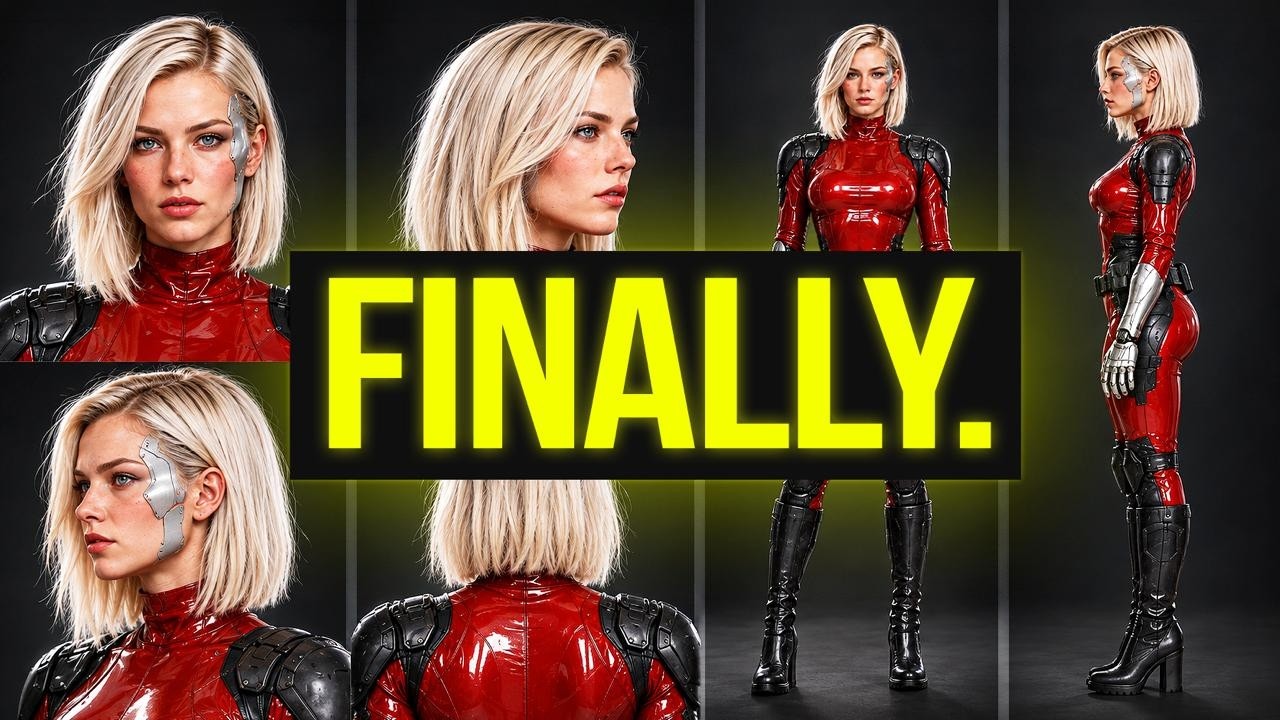
Traditional single-image or static multi-angle reference sheets frequently fail when an AI video generator attempts to render intermediate motion between poses. Creator AI Samson demonstrates that generating a continuous 360-degree turntable video of a character gives video diffusion models full visual context across every angle. When generating complex details like facial tattoos, asymmetric fur markings, or futuristic cybernetics, inputting a turntable video reference alongside a multi-angle image sheet prevents features from shifting or disappearing during motion cuts.
Concurrently, motion graphics workflows are moving away from pre-rendered video generation toward code-driven graphics generated inside Claude. Creator CyberJungle demonstrates that prompting Claude to produce code-based motion graphics allows creators to adjust text, colors, pacing, and datasets instantly without re-rendering pixels. This approach replaces heavy video credit consumption with editable code for explainer inserts, B-roll, and data visualization.

Read source excerpts 2
character consistency. So, I'm going to show you how to lock your character's consistency using a 360° video reference. Imagine you've spent hours designing the perfect
AI Samson
So, this prompt makes wonders. I will show you a few more examples. First of all, remember that these are just code, not rendered video. This is not an AI video generation. It
CyberJungle
How can directors orchestrate multi-character dialogue and complex reference assets?
Maintaining consistency across multi-character interactions requires structured asset binding and dedicated performance prompts. In single-character scenes, AI Samson recommends uploading both the static character turnaround sheet and the 360-degree rotation video, referencing both assets explicitly in the text prompt using platform @-mentions. This dual-reference setup ensures the video engine grounds both the overall geometry and the fine surface textures of the subject.
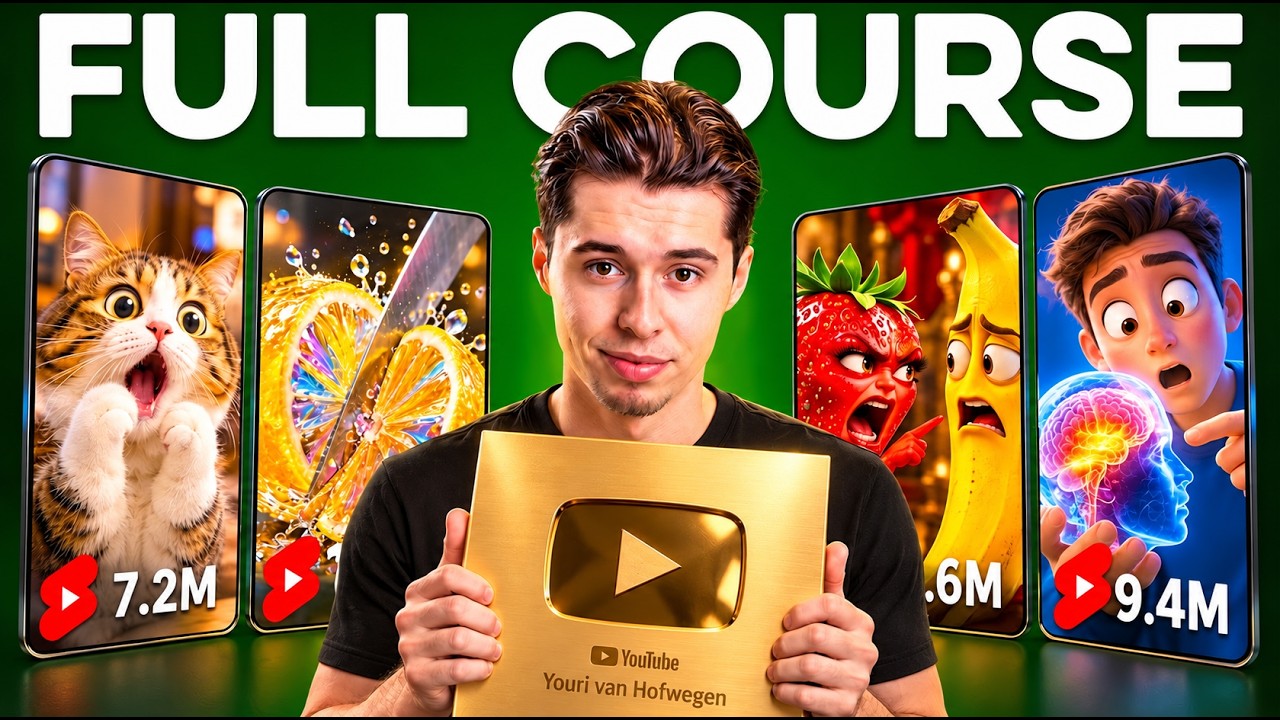
For multi-character dialogue scenes, creator Youri van Hofwegen illustrates a synchronized pipeline using Seedance 2.5 and ElevenLabs V3. By generating voice tracks with bracketed emotive tags (such as [bored] or [excited]) and supplying separate audio files for each character directly into the video generator, directors can drive lip synchronization and facial reactions across two distinct characters in a single pass. Paired with persistent tagged asset sheets, the model maintains character geometry while accurately matching mouth movements to incoming vocal takes.
Read source excerpts 2
actual scenes with our characters. Now, for this, we need to use the video as the reference. Now, in adding the video reference, I found it's best to use the character sheet
AI Samson
Podcast Studio. Then upload the two voice files, Duchess first and Biscuit second. And I already have all of it in the prompt with Duchess as audio one and Biscuit as audio 2.
Youri van Hofwegen
What practical steps combine code graphics and multi-cut narrative editing?
To generate high-impact motion graphics in Claude, CyberJungle specifies setting the model's reasoning effort to high and framing the prompt as a portfolio showcase. Directing the model to act as a world-class motion designer presenting a resume piece forces Claude to incorporate dynamic transitions, sound design tags, and rhythmic visual pacing rather than static layout boxes. Filmmakers can integrate these code-generated graphics directly into video timelines as customizable B-roll or chapter title cards.
When directing multi-cut narrative shorts, Youri van Hofwegen outlines a pre-planned editorial workflow: instruct the language model scriptwriter to embed exact timecoded camera cuts, close-up switches, and deliberate silent pauses into the script before initiating generation. In editing software like CapCut, editors slice the generated clip at the designated pause, insert secondary background shots or flashbacks, and apply keyframed zooms and crossfades to bridge the cut smoothly without breaking character audio alignment.
Read source excerpts 2
be whatever topic you want. That shows what an incredible motion designer you are. Like it's your showcase for a portfolio resume. Go all out. This structure is a critical
CyberJungle
import, then from device, and bring in the studio video and the flashback. Then I'll drag the studio video onto the timeline, split it right at the pause with control and B,
Youri van Hofwegen
What operational flaws and mechanical constraints restrict these automated tools?
Despite the higher fidelity of 360-degree video references and automated code generation, filmmakers must manage specific model failure points. AI Samson cautions that if the initial 360-degree rotation video contains flaws—such as a tattoo shifting position or an eye patch flipping sides during the turn—the downstream video generator will systematically replicate those errors across all subsequent scene renders. Directors must audit the turntable reference video frame-by-frame before committing to production passes.
Additionally, AI video diffusion models frequently fail to interpret complex spatial perspectives automatically. In Karima's short film workflow, requesting a point-of-view camera inside an enclosed box resulted in a floating exterior camera until the prompt was explicitly rewritten to specify a static, extreme low-angle perspective looking straight up. When models encounter spatial ambiguity, filmmakers should avoid burning credits on high-resolution re-renders and instead isolate camera perspective rules inside low-cost 480p draft passes.

Read source excerpts 2
sure the original 360° reference video is as accurate as possible because if your character's appearance changes during the rotation, it will break the consistency later on.
AI Samson
shot. That's just [music] a floating camera looking at the box. The problem with AI video models is that they don't naturally understand perspective switches inside an
kaye.creatives
Key moments to explore
Optional deep divesWant to see a technique in action? Jump into the source videos. These AI-extracted timestamps may be approximate.
- 00:50 ↗Video references allow AI models to understand complex 3D shapes and continuity better than static multi-angle reference sheets.AI Samson · The NEW Way To Get Perfect AI Character Consistency
- 0:00 ↗Basic topic-only prompts in Claude produce simple, static motion graphic results.CyberJungle · How To Make Insane Motion Graphics With Opus 5.5 (Steal this Claude Motion Prompt)
- 01:06 ↗YouTube shorts algorithms prioritize original narrative content and characters over automated clip aggregators and re-uploaded memes.Youri van Hofwegen · How to Make YouTube Shorts with AI
- 02:38 ↗Build multi-view character sheets (front, side, and profile views) before generating video clips to lock character consistency.kaye.creatives · How I Master Perfect AI Realism in 3 Steps (Full Breakdown)
- 01:48 ↗Creating a split-frame start image featuring a full body on one side and a close-up face on the other maximizes detail fidelity in reference assets.AI Samson · The NEW Way To Get Perfect AI Character Consistency
- 1:57 ↗Adding narrative positioning and portfolio-style directives to a Claude prompt dramatically improves animation dynamism and pacing.CyberJungle · How To Make Insane Motion Graphics With Opus 5.5 (Steal this Claude Motion Prompt)
Put it into practice
Get the practical weekly briefing →The useful ideas in one email. Subscribe to keep learning. Need a filmmaker for your project? →Tell us what you want to make and submit a project brief.Go to the source
4 videos