Automating Multi-Episode Shorts and 3D Video Renders with Agentic Claude and Gemini Workflows
Filmmakers can now coordinate multi-episode short drama series and programmatic 3D code-driven animations entirely within chat interfaces by connecting large language models to video generation platforms via Model Context Protocol (MCP) integrations.
Top learnings
Connect language models to video tools using MCP commands like /shorts studio to generate fully edited social media clips without touching a timeline editor.
Structure multi-episode narratives by attaching custom markdown skill files inside chat projects to maintain character and plot continuity across multiple renders.
Leverage code-compiled generation models to render precise 3D environments and motion graphics, bypassing the spatial drift common in standard text-to-video prompts.
How do chat-based MCP connectors streamline short-form video production?
Traditional short-form video creation requires exporting scripts, generating assets, and manually assembling timelines in editing software. Recent developments in agentic integrations allow creators to bypass external editors entirely by linking large language models directly to specialized video generation suites.
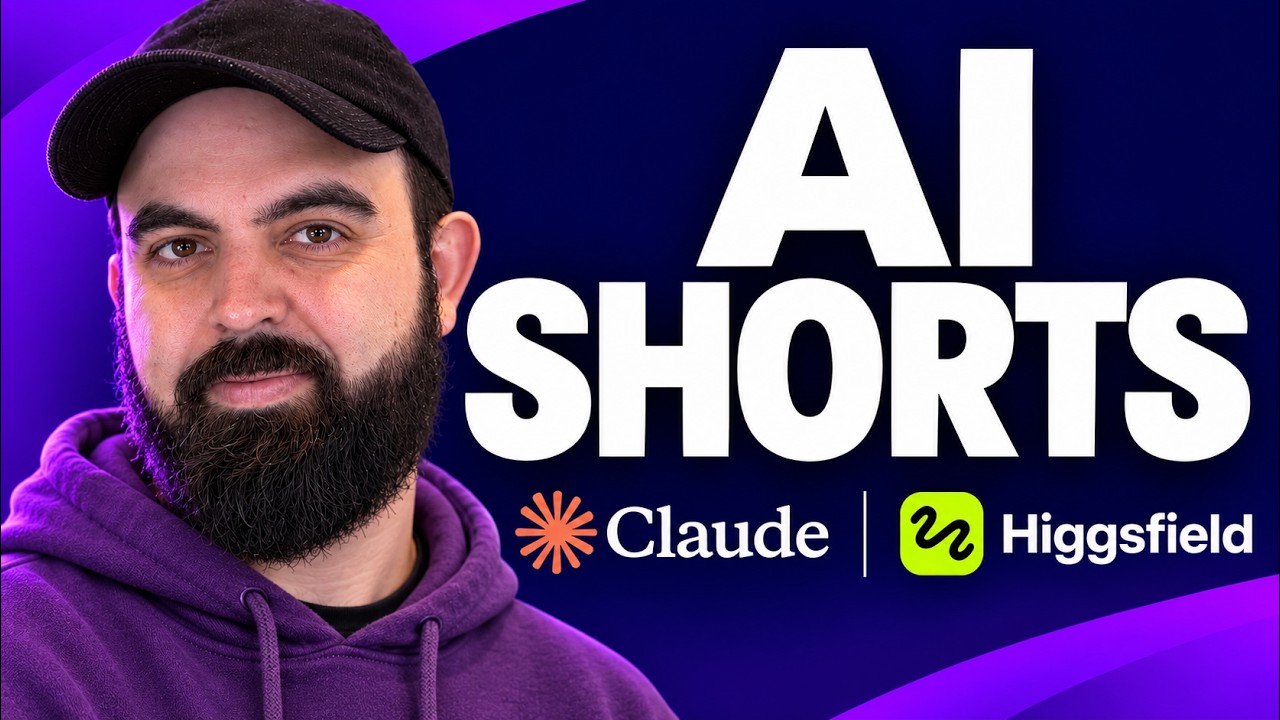
Diego Galvao demonstrates connecting Claude to Higgsfield's Short Studio via Model Context Protocol (MCP) commands. By supplying an inspiration video and a reference clip of an avatar, creators type a single command to prompt the agent to write a script, generate character visuals, coordinate voice syncing, and output a finished vertical video complete with dynamic captions and motion graphics.
ReelStack suggests this approach for creators producing high-volume tutorial content or social media clips. By letting the agent handle structural assembly, filmmakers can focus strictly on script refinement and framing choices.
 Diego Galvao
Read source excerpts 2
without spending so much time on the technical side. And that's what I want to show you in today's video. So, let's get started. I sent Claude two videos and one message. And
Diego Galvao
Claude has both when I send the message. Then I type /shorts studio. I tell it to use the attached reference video and recreate the edit from the inspiration video. The last
Diego Galvao
How can markdown skill files and project threads automate multi-episode drama series?
Scaling narrative production across multiple episodes usually introduces severe visual and plot continuity drift. Creators are solving this by embedding structured rules and persistent context directly into chat workspaces to maintain consistent casts and story arcs over extended runs.
AI Samson demonstrates uploading a custom short drama markdown skill file into Claude to establish a step-by-step pipeline. The model guides the user through classic narrative tropes and a four-beat structure, organizes multi-episode shot lists, and generates character sheets before requesting video clips through Higgsfield MCP. Furthermore, by organizing chats into project threads, creators can deploy parallel sub-agents to research trending story lines and draft subsequent episodes simultaneously.
Filmmakers can apply this workflow to serialize narrative short projects efficiently. However, maintaining strict control requires reviewing character reference sheets and specifying draft resolutions before committing generation credits to final hero renders.

 CyberJungle
Read source excerpts 2
single actor, set, or crew. In this video, I will show you an easier way to create ultra realistic short dramas at scale with Hicksfield short drama MCP inside clothes. Not
CyberJungle
skill to the same app. I'm going to click on add files and select this short drama studio skill which you can find in the description below for free. And I'm going to attach
CyberJungle
What are the trade-offs of using code-driven 3D models for scene pre-visualization?
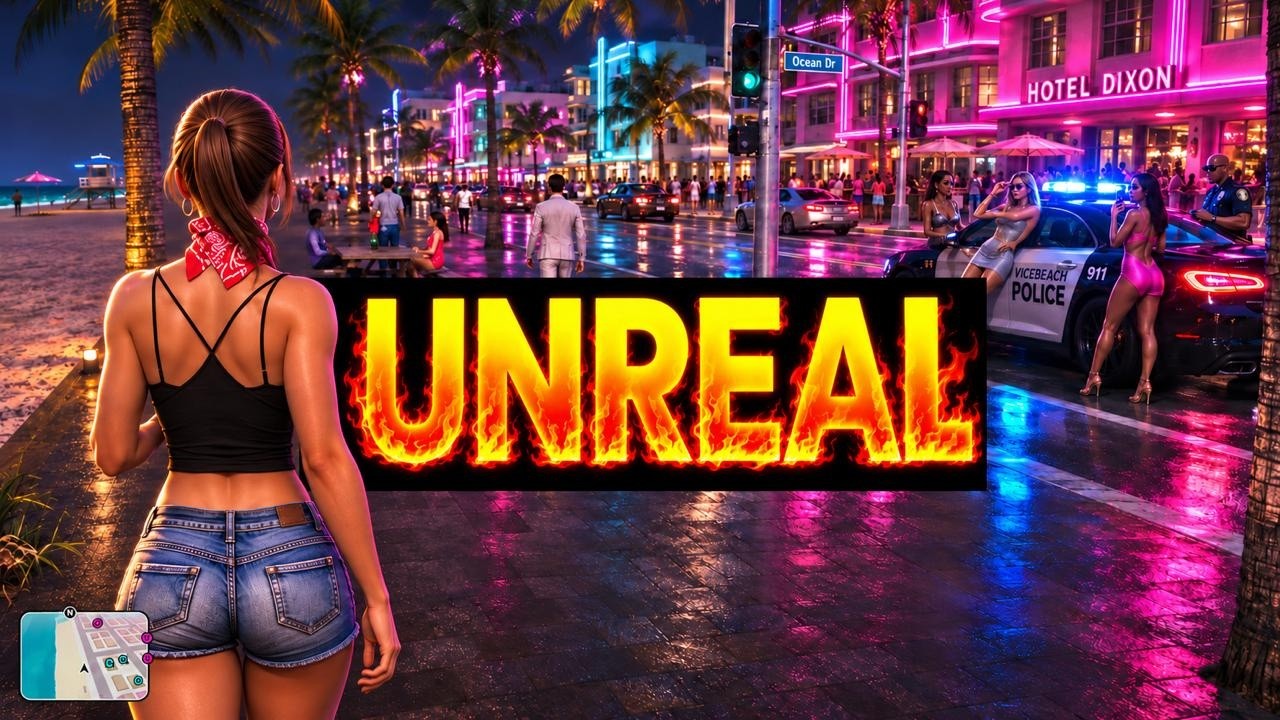
While chat-based agents excel at orchestrating narrative scripts and video pipelines, generating complex 3D environments relies on code execution rather than traditional video diffusion models. Advanced language models like Gemini 4 Neon can write complete three.js and Web GPU code to simulate interactive 3D worlds, geometric engines, and motion graphics without external asset libraries.
AI Samson evaluates these code-compiled environments against traditional LLM models, noting that while programmatic generation creates precise architectural layouts and smooth motion graphics at competitive token costs, raw code struggles with complex organic human kinematics and physical occlusion. Objects may occasionally clip through barriers or exhibit rigid movement.
Directors should utilize code-driven 3D generation tools for architectural pre-vis, flight simulators, or stylized background assets, while reserving dedicated video diffusion models and character reference sheets for organic foreground performances.
 AI Samson
Read source excerpts 2
things left to be decided as when this person gets run over you see they go through the car. So there is still some issues with physical occlusion. But overall it's an
AI Samson
it ended up building an entire biomechanics engine using three .js and Web GPU. Now, this is one of my favorite demonstrations because it understands how to mechanically
AI Samson
Key moments to explore
Optional deep divesWant to see a technique in action? Jump into the source videos. These AI-extracted timestamps may be approximate.
- 1:06 ↗Providing an inspiration video allows Claude to parse layout timing, caption placement, and motion reveal graphics.Diego Galvao · How I Make AI YouTube Shorts From Two Videos
- 01:24 ↗Higgsfield's Short Drama MCP allows for the creation of ultra-realistic short dramas at scale directly within the Claude interface.CyberJungle · How I Automated AI Short Drama Production With Claude (Full Workflow)
- 00:00 ↗Gemini 4 Neon is positioned as a cheaper and higher-performing alternative to Claude Opus 5.5 for coding and logic tasks.AI Samson · Gemini 4 Neon Just Built GTA 6 (and I’m Obsessed)
- 1:16 ↗Using a clear reference video with visible facial angles and dialogue provides the base avatar material for character replacement.Diego Galvao · How I Make AI YouTube Shorts From Two Videos
- 03:02 ↗A custom markdown "skill" file can be used to guide Claude through a structured scriptwriting and production pipeline.CyberJungle · How I Automated AI Short Drama Production With Claude (Full Workflow)
- 01:56 ↗LLMs like Neon can generate code to create consistent 3D animations and interactive software rather than just individual video frames.AI Samson · Gemini 4 Neon Just Built GTA 6 (and I’m Obsessed)
Put it into practice
Get the practical weekly briefing →The useful ideas in one email. Subscribe to keep learning. Need a filmmaker for your project? →Tell us what you want to make and submit a project brief.Go to the source
3 videos