We Found a Weird Seedance Character Hack
Understanding the actual performance trade-offs of moderation bypass hacks helps filmmakers decide when to use reference grids versus unrestrictive platforms for consistent character generation.
What this lesson covers
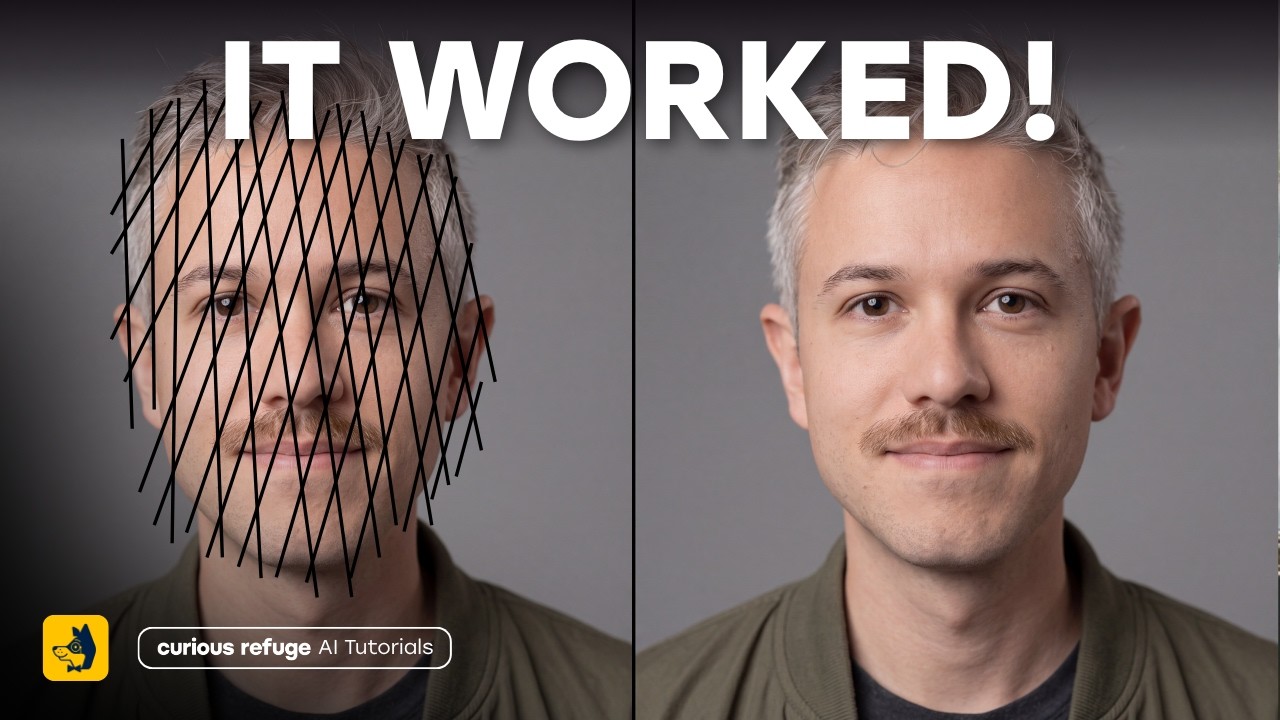
This video tests a viral workaround using face scratch grids on character sheets to bypass moderation filters when generating human subjects in AI video generators. Through side-by-side comparisons in Seedance 2.5, it proves that while the hack avoids safety blocks, it degrades character fidelity compared to standard reference sheets.
Key takeaways from the creator
AI-extracted notes, not independently verified product claims. Timestamp links let you check each point in the original video.
- 00:40 ↗
Applying a scratch or veil pattern over a subject's face in character sheets bypasses facial recognition moderation filters in video AI tools.
- 01:53 ↗
Face-grid workaround outputs achieve approximately 80% to 85% character likeness, frequently altering facial structure and features.
- 04:27 ↗
Seedance 2.5 inherently understands cinematic rules such as eyeline continuity and the 180-degree rule when processing full character references.
- 06:12 ↗
The face-grid technique should only be used as a fallback when platforms block legitimate character assets, as clean reference sheets deliver superior facial fidelity.
- 06:36 ↗
Alternative platforms like TopView AI and Oxen AI offer less restrictive content filters for creators generating custom character performances.
Workflow outlined in the video
- Test standard character reference sheets in Seedance 2.5 to verify if moderation filters flag the subject.
- If blocked by safety filters, apply a light scratch overlay or grid pattern across the face area of the reference image.
- Upload the modified reference images into Magnific or Seedance 2.5 alongside location reference assets.
- Compare generated output fidelity against standard unmasked runs to determine if facial accuracy meets project requirements.
- Consider using alternative platforms like TopView AI or Oxen AI if strict platform filtering prevents consistent actor reproduction.
Before you use this workflow
These notes describe the source video at its publication date. Model access, pricing, connectors and interfaces may have changed. Check the original source and the provider’s current documentation before installing an add-on, connecting an account or spending credits.
ReelStack has not independently tested this workflow. Preview one representative shot and check motion, continuity and output quality before applying it to a full production. No result, cost saving or model capability is guaranteed.
Explore the tools
How to interpret the numbers
34,444 views captured 27 September 2026. ReelStack recommendation score: 51/100. Formula: radar-v5. This is ReelStack’s calculation, not a YouTube rating or a measure of factual accuracy.
Show the calculation
- 65% performance: 1.65× views vs 3 other channel videos observed at a similar age. View-evidence factor 97% (views / (views + 1,000))
- 25% freshness: 28/100 with a 14-day half-life
- Momentum pending: collecting daily snapshots; its 20% weight goes to observed performance, not free points
- 10% engagement: 46/100; likes + 4× comments, smoothed with a 500-view neutral prior