These NEW Open Source Image Models Are Dangerous (Full Testing)
For AI filmmakers, the rapid rise of high-quality open-source image models like Cosmos 3 and Ideogram 4 dramatically lowers pre-production costs while offering uncensored creative control over concept art and storyboards.
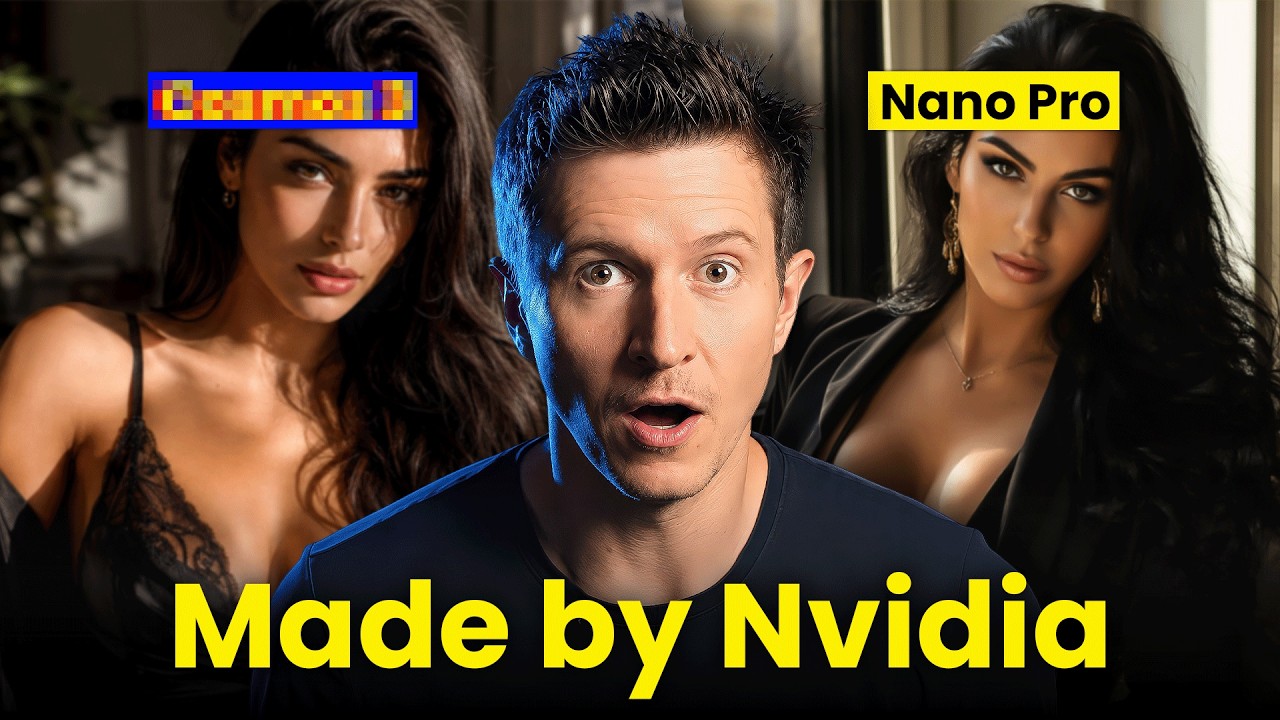
What this lesson covers
This video evaluates the capabilities of two powerful open-source image models, Cosmos 3 and Ideogram 4, against leading paid alternatives. Through rigorous testing, the creator demonstrates how these free, open-weight models can match or exceed the quality of premium tools in photorealism and graphic design.
Key takeaways from the creator
AI-extracted notes, not independently verified product claims. Timestamp links let you check each point in the original video.
- 00:45 ↗
NVIDIA's Cosmos 3 is an open-weight model designed for robotics that also generates highly realistic images, video, and physical simulations.
- 03:14 ↗
Cosmos 3 comes in two sizes: the 16-billion parameter Nano model and the 64-billion parameter Super model.
- 03:28 ↗
Ideogram 4 is an open-source model optimized specifically for graphic design, typography, and cinematic imagery.
- 05:34 ↗
Ideogram 4 allows companies to fine-tune and build custom brand models directly on top of its weights to maintain brand consistency.
- 06:08 ↗
Users can run Cosmos 3 locally with powerful hardware or via cloud platforms like Hugging Face using their own credits.
Workflow outlined in the video
- Access the Cosmos 3 repository on GitHub or run it in the cloud via Hugging Face using the Nano or Super models.
- Test Ideogram 4 on their official website using the free tier of 12 daily images to evaluate text rendering.
- Utilize Ideogram 4's prompt edit feature to modify specific image regions without regenerating from scratch.
- Integrate custom brand assets into Ideogram 4's weights to establish a consistent visual style for production design.
Before you use this workflow
These notes describe the source video at its publication date. Model access, pricing, connectors and interfaces may have changed. Check the original source and the provider’s current documentation before installing an add-on, connecting an account or spending credits.
ReelStack has not independently tested this workflow. Preview one representative shot and check motion, continuity and output quality before applying it to a full production. No result, cost saving or model capability is guaranteed.
How to interpret the numbers
70,712 views captured 24 October 2026. ReelStack recommendation score: 60/100. Formula: radar-v5. This is ReelStack’s calculation, not a YouTube rating or a measure of factual accuracy.
Show the calculation
- 45% performance: 2.82× views vs 5 other channel videos observed at a similar age. View-evidence factor 99% (views / (views + 1,000))
- 25% freshness: 0/100 with a 14-day half-life
- 20% momentum: 80 views/day vs 6 channel baseline (4 comparable uploads), with the same view-evidence factor
- 10% engagement: 90/100; likes + 4× comments, smoothed with a 500-view neutral prior