How I Master Solo Filmmaking: 3 Rules for Cinematic Videos in 2026
Understanding camera height, focal length compression, and lighting contrast allows AI filmmakers to construct more compelling synthetic scenes and prompt cinematic camera angles accurately.
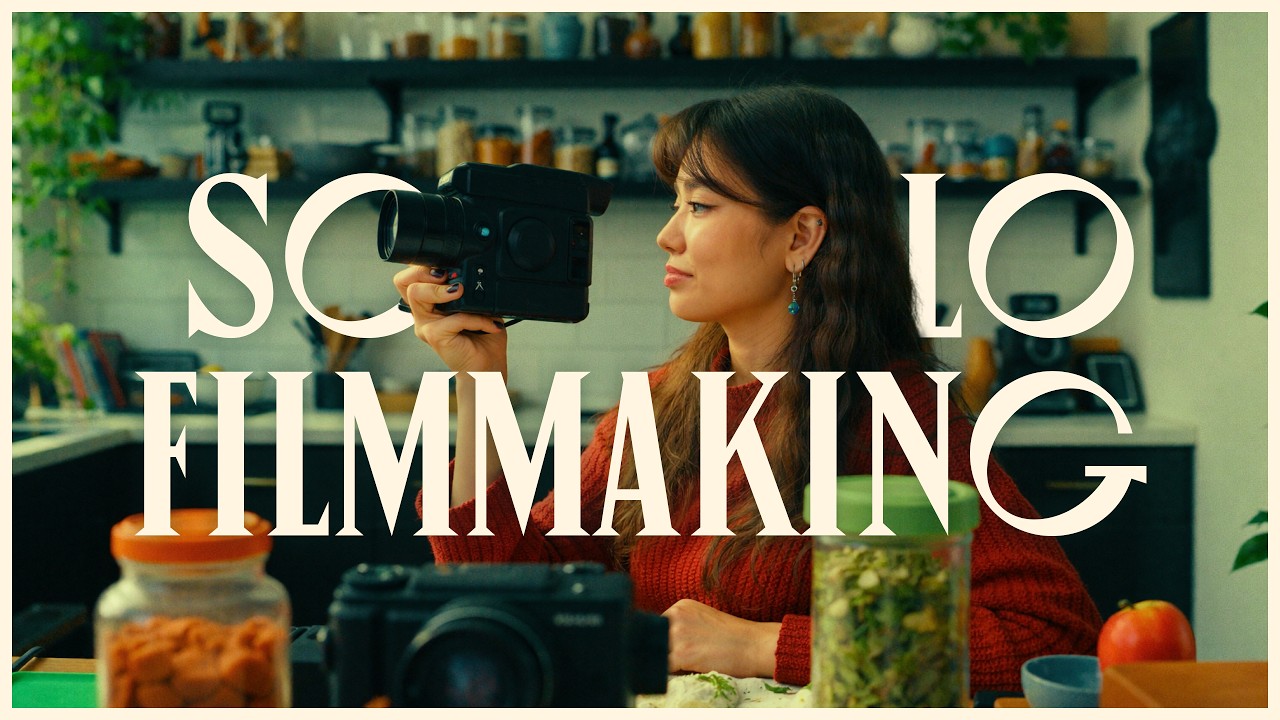
What this lesson covers
Kaye breaks down the three foundational rules of solo filmmaking—framing, lighting, and subject movement—to achieve high-budget cinematic aesthetics without a production crew. The workflow covers multi-lens setups, directional contrast lighting, set dressing, and dynamic physical blocking to transform ordinary spaces.
Key takeaways from the creator
AI-extracted notes, not independently verified product claims. Timestamp links let you check each point in the original video.
- 0:40 ↗
Selecting the music track before scriptwriting and filming establishes pacing, energy, and overall video direction for solo productions.
- 1:47 ↗
Pairing a wide 24mm lens tilted slightly upward from chest height creates expansive environmental framing without feeling like a flat conference call.
- 2:57 ↗
Using telephoto lenses like 50mm or 85mm pushed back against walls introduces optical space compression and rich background separation.
- 3:31 ↗
Capturing macro physical micro-details and overhead bird's-eye views adds editorial texture that mimics multi-camera production coverage.
- 4:38 ↗
Cinematic lighting relies on directional contrast across the subject's face rather than overall room brightness, whether using natural window light or studio fixtures.
- 6:00 ↗
Introducing dynamic physical movement, such as walking into the frame or leaning across tables, prevents static talking-head fatigue.
Workflow outlined in the video
- Select and lock the audio soundtrack prior to writing scripts or planning shot lists to establish visual pacing.
- Connect a wireless camera monitoring application like Sony Creators to lock focus and exposure remotely from the shooting position.
- Dress the set environment with practical lamps, plants, and props to introduce background texture and depth.
- Position the primary key light or window off-axis to sculpt directional contrast across the subject's face.
- Place small accent pocket lights behind background set pieces to create color separation and atmospheric depth.
- Capture secondary tight coverage (50mm/85mm) and top-down detail inserts to provide dynamic cutaways during editing.
Before you use this workflow
These notes describe the source video at its publication date. Model access, pricing, connectors and interfaces may have changed. Check the original source and the provider’s current documentation before installing an add-on, connecting an account or spending credits.
ReelStack has not independently tested this workflow. Preview one representative shot and check motion, continuity and output quality before applying it to a full production. No result, cost saving or model capability is guaranteed.
How to interpret the numbers
82,308 views captured 27 September 2026. ReelStack recommendation score: 49/100. Formula: radar-v5. This is ReelStack’s calculation, not a YouTube rating or a measure of factual accuracy.
Show the calculation
- 65% performance: 1.25× views vs 3 other channel videos observed at a similar age. View-evidence factor 99% (views / (views + 1,000))
- 25% freshness: 34/100 with a 14-day half-life
- Momentum pending: collecting daily snapshots; its 20% weight goes to observed performance, not free points
- 10% engagement: 52/100; likes + 4× comments, smoothed with a 500-view neutral prior